Opening an indoor adventure park is a significant undertaking that combines real estate negotiation, equipment procurement, safety regulation compliance, and entertainment business operations. The businesses that succeed are typically those that plan each phase methodically rather than rushing to order equipment before securing the right location or understanding local permit requirements. A well-planned Trampoline Park starts with thorough preparation across ten distinct phases, from initial market research through opening day operations.
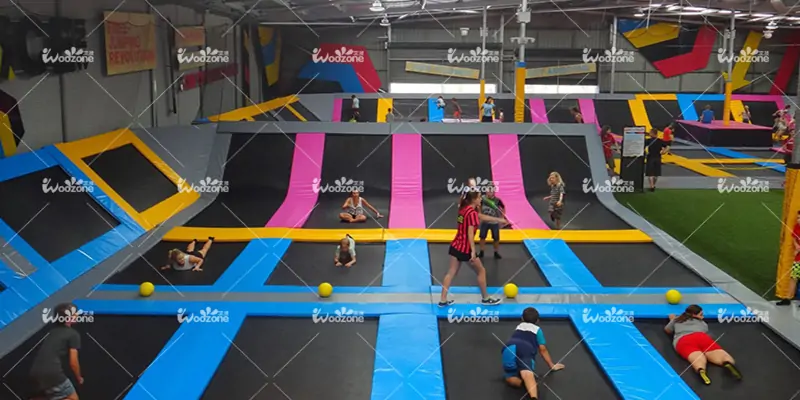
Step 1: Research Your Target Market
Before signing a lease or contacting equipment suppliers, understand who your customers will be and what alternatives they currently have. Visit existing facilities in your target region—not just trampoline venues but also climbing gyms, soft play centers, and family entertainment centers. Observe customer demographics at different times of day. Note which attractions draw the longest queues and which areas sit underused.
Talk to parents, school groups, and youth organizations in the area. Ask what activities their children currently lack and what would make them choose one venue over another. This primary research produces more actionable insights than relying solely on industry reports, which may reflect national trends rather than local demand.
Three questions should guide this phase: how many potential visitors live within a 30-minute drive, what do they currently do for active recreation, and what price point would they consider acceptable for a visit. The answers to these questions shape decisions about venue size, attraction mix, and pricing strategy that follow.
Step 2: Build a Realistic Budget
A trampoline park budget needs to account for more than equipment. The major cost categories include site rental or purchase, interior renovation, equipment procurement, shipping and installation, staffing, marketing, and working capital for the first months of operation before revenue stabilizes.
Equipment costs for a commercial indoor park typically range from approximately $80 to $120 per square meter, depending on the attraction mix and customization level. A 500-square-meter facility at the midpoint of this range represents an equipment investment of roughly $50,000 to $60,000. Larger facilities of 1,000 square meters or more may require proportionally higher equipment investment, though some cost efficiencies emerge at scale.
Beyond equipment, site-related costs including rent deposits, interior construction, flooring, lighting, and HVAC modifications can equal or exceed the equipment investment depending on the starting condition of the leased space. Budgeting for at least three to six months of operating expenses after opening provides a buffer while customer traffic builds to sustainable levels.
Step 3: Understand Local Permits and Regulations
Permitting requirements vary by jurisdiction, but most municipalities require business licenses, building permits for interior construction, fire safety approvals, and health department clearances. Facilities with food service add restaurant permits to this list.
Fire safety compliance deserves early attention because it can affect the equipment layout and material selection. Requirements may include sprinkler systems, clearly marked emergency exits, and flame-retardant materials meeting standards such as UL94 V-0 for soft components. Engaging a local architect or permit expediter familiar with commercial recreation facilities reduces the risk of delays caused by incomplete applications.
Insurance is another pre-opening requirement. General liability coverage, property insurance, and workers' compensation form the baseline. Insurers may require evidence that equipment meets recognized safety standards such as ASTM F381 (US) or EN 15577 (EU) before providing quotes. Securing insurance commitments early prevents last-minute surprises.
Step 4: Select the Right Location
The ideal location balances visibility, accessibility, and cost. Shopping malls and retail complexes offer high foot traffic and existing family customer bases, but command higher rent per square meter. Standalone industrial units provide more space at lower cost but require greater marketing investment to drive customer visits.
Minimum ceiling height is a non-negotiable constraint for trampoline-based attractions. A clear height of at least 5 meters is necessary for safe jumping, and some attractions such as climbing walls or elevated ninja courses may require additional height. Sites with lower ceilings either cannot accommodate a full attraction set or must limit the activities to those safe at reduced heights.
Parking capacity, public transport access, and proximity to complementary businesses—schools, sports centers, restaurants—all influence the potential customer base. A location that parents can reach within 20 minutes of school pickup has a significant advantage for weekday afternoon traffic.
Step 5: Choose Your Equipment Supplier
The choice of equipment supplier affects project timeline, equipment quality, safety compliance, and long-term maintenance support. Key evaluation criteria include certifications held by the supplier's products, warranty terms on structural components, the availability of installation support, and the supplier's track record with projects of similar scale.
Steel frame quality matters for longevity and safety. Galvanized steel with sufficient wall thickness—typically a minimum of 2.5 mm for structural members in commercial settings—resists corrosion and maintains structural integrity under high-frequency use. Jumping mats should use PP material with spring covers to prevent foot injuries, and padding should consist of multiple foam layers with durable PVC covering.
Warranty terms vary by manufacturer. For commercial equipment, frame warranties of three years, core component warranties of two years, and wear-part warranties of one year represent common industry coverage levels. Confirm what documentation—such as material certificates, third-party test reports from organizations like SGS or TÜV—the supplier provides to support insurance and permit applications.
Step 6: Design the Park Layout
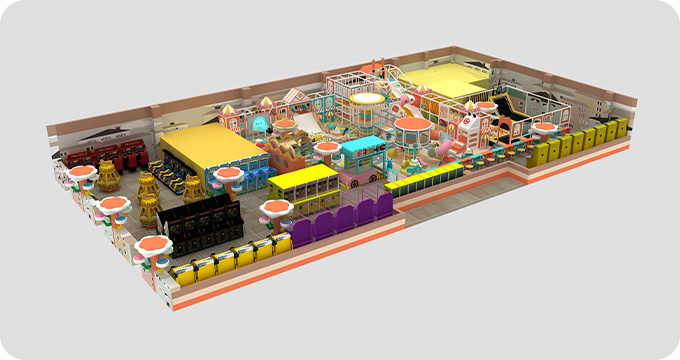
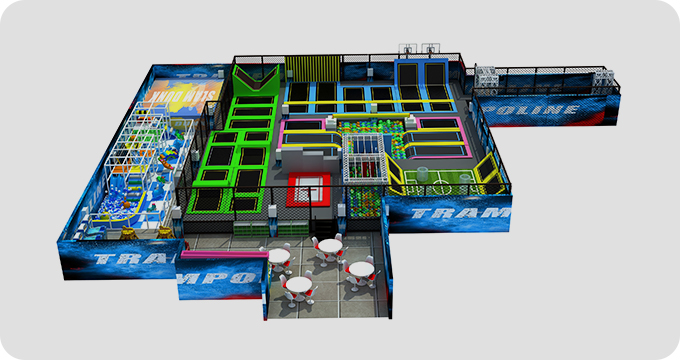
The park layout balances three objectives: maximizing the number of paid attractions within the available footprint, maintaining required safety clearances between activities, and creating a logical flow that guides visitors through the space.
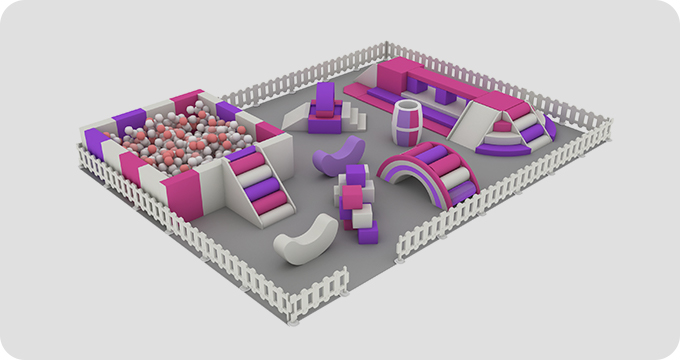
A typical park includes a mix of attractions: free jumping areas, foam pits, dodgeball courts, slam dunk lanes, climbing walls, ninja courses, and dedicated toddler zones. The proportion of each depends on the target age range identified in the market research phase. A park targeting families with children aged 4 to 12 allocates more space to soft play elements and less to high-performance athletic areas than a park targeting teenagers and young adults.
Safety clearances between attractions must meet the applicable standards for the installation region. ASTM and EN standards specify minimum distances around each activity type, and these distances consume a significant portion of the total floor area. A common planning error is to underestimate the space lost to buffer zones, resulting in a park that feels crowded and requires operational compromises.
For those comparing suppliers and equipment configurations at this design stage, reviewing commercial indoor trampoline park equipment options can help clarify which attraction sets, material specifications, and warranty terms are available for different facility sizes and target demographics.
Step 7: Prepare the Site and Install Equipment
Site preparation typically includes floor leveling, electrical work, lighting installation, and any structural modifications required by the building assessment. These tasks should be completed before equipment installation begins to avoid scheduling conflicts.
Equipment installation for a medium-sized facility—approximately 1,000 square meters—typically requires two experienced installers and takes three to four weeks with assistance from local workers for material handling and basic assembly tasks. Smaller facilities of 500 square meters may complete installation in one to two weeks with a similar team.
The manufacturer should provide detailed installation drawings, assembly instructions, and access to technical support during the installation period. On-site supervision by the manufacturer's trained personnel helps ensure that safety-critical assembly steps—such as frame anchoring, spring tensioning, and safety net attachment—are performed correctly.
Step 8: Hire and Train Staff
Staffing needs include front desk personnel, court monitors who supervise jumper safety, party hosts for birthday events, maintenance technicians, and management. The number of court monitors required depends on the facility size and attraction layout, but a typical ratio is one monitor per 15 to 20 active jumpers during peak periods.
Training should cover facility safety rules, emergency procedures, basic first aid, and customer service. Court monitors need specific training on enforcing age and size separation rules—keeping toddlers out of older children's jumping zones—and on recognizing when a jumper's fatigue level increases injury risk.
Some equipment manufacturers offer operator training programs as part of their service package. This training covers equipment-specific safety protocols, daily inspection procedures, and basic maintenance tasks that staff can perform without specialized tools.
Step 9: Market Your Park
A marketing plan should be in place before the doors open. Build anticipation through social media channels, local community groups, and partnerships with schools and youth organizations. Pre-opening promotions—discounted membership packages, early-bird pricing for birthday parties, free trial hours—generate initial traffic that can convert into word-of-mouth referrals.
A dedicated website with online booking capability is essential. Many customers expect to check available time slots, complete waivers, and purchase tickets before arriving. The website should also feature clear information about pricing, age restrictions, safety rules, and party packages.
Ongoing marketing maintains traffic after the opening period. Birthday party hosting typically generates a significant portion of trampoline park revenue, so developing attractive party packages and marketing them to local parent networks directly addresses this demand. Seasonal promotions tied to school holidays and summer breaks help smooth revenue across the calendar year.
Step 10: Launch and Operate
The opening period sets the tone for customer expectations. A soft opening phase—inviting friends, family, and community members for reduced-rate sessions—allows staff to practice operational procedures and identify any issues with equipment, signage, or customer flow before the official launch.
Daily operational routines should include pre-opening equipment inspections, cleaning of all contact surfaces, and verification that safety signage is in place and legible. Weekly inspections check spring tension, padding integrity, and net attachment points. These routines not only maintain safety but also extend equipment service life by catching minor issues before they require major repairs.
For those entering the operational phase and considering equipment expansion or replacement, exploring trampoline park equipment and turnkey solutions can provide information on adding attractions, upgrading existing equipment, or sourcing replacement parts to keep the facility current as customer expectations evolve.




 English
 Español