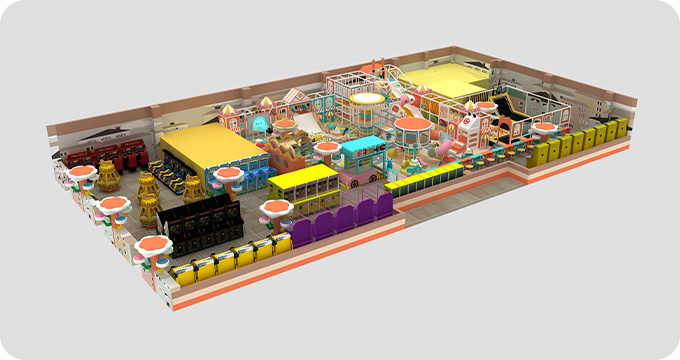
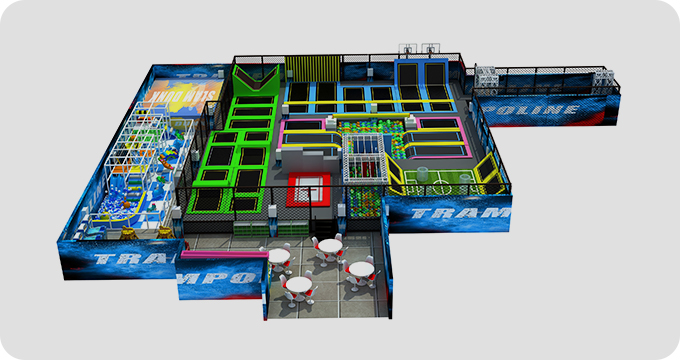
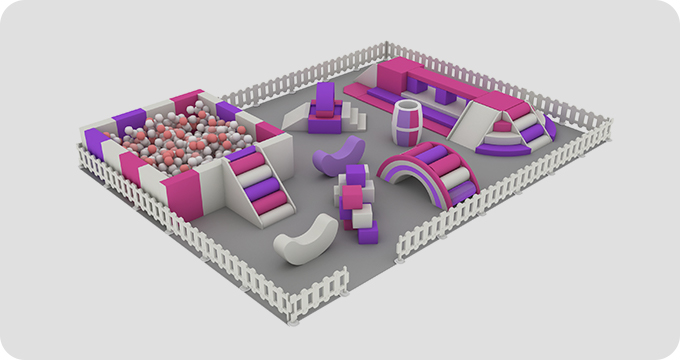
Children today interact with technology, media, and entertainment differently than they did even five years ago. Their expectations for fun have evolved rapidly, and traditional slides-and-ball-pit setups are no longer enough to hold attention for long periods. Parents are also becoming more selective, looking for environments that are safe, educational, visually engaging, and physically active at the same time.
For operators of family entertainment centres, shopping malls, daycare facilities, and community recreation spaces, this shift creates a new challenge: how do you design a play environment that children genuinely want to return to?
The answer lies in understanding modern play psychology, sensory engagement, and immersive spatial design.
Children Are Drawn to Experiences, Not Just Equipment
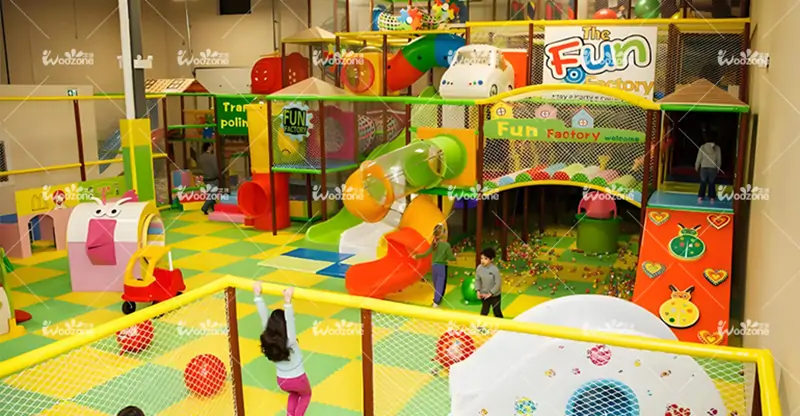
One of the biggest changes in commercial play design is the move from isolated attractions to fully immersive experiences. Children are no longer satisfied with simply climbing or sliding. They want environments that encourage exploration, storytelling, and interaction.
Industry research from the International Association of Amusement Parks and Attractions (IAAPA) shows that themed environments and interactive elements significantly improve revisit rates for family entertainment venues. Parents also tend to spend more time—and more money—in facilities where children remain engaged longer.
Modern play centres often combine:
- Multi-level adventure routes
- Interactive projection games
- Sensory lighting systems
- Climbing challenges with varying difficulty levels
- Role-play themed zones
- Soft obstacle courses
These elements work together to create a stronger emotional connection with the environment.
For operators planning new venues, many designers now prioritise customised soft play layouts for themed entertainment spaces that can support both active movement and immersive storytelling.
Colour Psychology and Visual Stimulation Matter More Than Ever
Bright colours have always been part of children’s play spaces, but modern design takes visual stimulation much further. Today’s successful indoor parks use strategic colour zoning, dynamic lighting, and visually layered structures to guide movement and sustain curiosity.
Children respond particularly well to:
- Contrasting color pathways
- Interactive LED features
- Transparent tunnels and elevated walkways
- Animated wall graphics
- Nature-inspired textures and shapes
Research published by developmental psychology specialists suggests that visual variety can improve exploratory behaviour and increase the duration of active play sessions.
However, balance is important. Overly crowded visual environments may overwhelm younger children, especially toddlers. Modern facilities, therefore, separate high-energy areas from calmer sensory zones.
Physical Challenges Keep Children Engaged Longer
Many older play centres focused primarily on simple entertainment. Today, parents increasingly prefer spaces that support physical development, coordination, and confidence-building.
This trend has encouraged the growth of layered activity systems that combine:
| Modern Interactive Play Spaces |
Modern Interactive Play Spaces |
| Basic slides |
Multi-route climbing systems |
| Static obstacles |
Motion-reactive challenges |
| Simple ball pits |
Sensory exploration zones |
| Limited age segmentation |
Skill-based progression areas |
| Passive entertainment |
Active physical engagement |
Children naturally enjoy environments where they can “level up” their abilities through increasingly challenging activities. Rope courses, ninja-style elements, climbing walls, and crawl tunnels create repeat-play value because kids want to improve their performance over time.
Many operators evaluating multi-level activity systems for commercial recreation venues focus heavily on flexibility, allowing future updates as entertainment trends evolve.
Interactive Technology Is Reshaping Play Behaviour
Technology is now deeply integrated into children’s daily lives, and modern recreational spaces increasingly incorporate digital interaction without replacing physical movement.
Examples include:
- Projection-based floor games
- Motion tracking systems
- Interactive climbing walls
- Digital scoring activities
- Augmented reality treasure hunts
Importantly, the most successful venues do not rely entirely on screens. Instead, they combine technology with movement, cooperation, and physical exploration.
This hybrid approach appeals to both children and parents. Kids enjoy the stimulation and novelty, while parents appreciate opportunities for active rather than passive entertainment.
According to market reports from Grand View Research, the global family entertainment centre market continues to grow partly because venues are investing in more immersive and technology-enhanced attractions.
Safety and Hygiene Influence Attraction More Than Operators Realise
Children may not consciously analyse safety features, but parents certainly do. Cleanliness, material quality, visibility, and traffic flow heavily influence whether families return.
After the pandemic years, customer expectations changed significantly. Parents now look closely at:
- Antimicrobial surfaces
- Padded impact zones
- Clear sightlines for supervision
- Structured age separation
- Ventilation quality
- Maintenance transparency
Facilities that communicate safety effectively often achieve stronger customer trust and higher word-of-mouth referrals.
Modern manufacturing standards also play a role. High-quality materials compliant with ASTM and EN1176 safety standards help reduce wear while improving long-term operational reliability.
Social Play Has Become a Key Design Priority
Children increasingly seek cooperative experiences rather than isolated activities. This is especially true in large urban entertainment venues where group participation drives excitement.
Modern layouts, therefore, encourage:
- Team obstacle challenges
- Shared climbing structures
- Group role-play zones
- Interactive multiplayer games
- Open social gathering areas
Social interaction improves emotional engagement and often increases repeat visits because children associate the experience with friendships and shared memories.
This is why many successful venues now invest in integrated play environments designed for group interaction rather than relying solely on standalone attractions.
Themed Environments Create Stronger Emotional Connections
One major trend shaping the industry is narrative-based design. Instead of generic layouts, many modern venues now follow themes such as:
- Space exploration
- Jungle adventures
- Underwater worlds
- Futuristic cities
- Candy-inspired fantasy zones
Theming transforms a play area into an experience children can emotionally connect with. It also creates stronger branding opportunities for operators because visually unique venues perform better on social media and user-generated content platforms.
Parents frequently choose destinations that appear visually distinctive in online reviews, Instagram posts, and short-form videos.
This means aesthetics now directly influence business performance.
Why Flexibility Matters for Commercial Operators
Entertainment trends evolve quickly. A venue that feels exciting today may look outdated within a few years. Because of this, modularity has become a major consideration during project planning.
Flexible layouts allow operators to:
- Add new activity modules later
- Refresh themes without rebuilding entire structures
- Reconfigure traffic flow
- Expand age-targeted zones
- Introduce seasonal attractions
Businesses seeking long-term operational efficiency often explore modular indoor recreation concepts with expandable layouts before launching new projects.
Final Thoughts
Modern children expect more than simple entertainment. They are attracted to environments that combine movement, discovery, interaction, creativity, and social engagement. At the same time, parents prioritise safety, cleanliness, developmental value, and overall experience quality.
For commercial operators, successful play space design now requires a careful balance between visual appeal, physical activity, immersive storytelling, and operational practicality.
If you hope to create a more engaging recreational environment with flexible layouts, themed concepts, and scalable activity zones, you can explore Woozone’s commercial soft play solutions for modern family entertainment venues.




 English
 Español