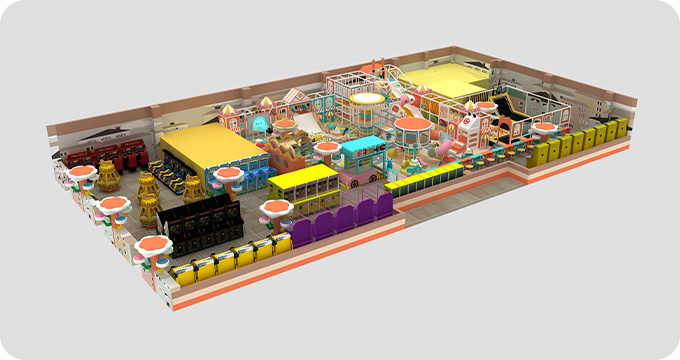
You’re standing at the edge of a colourful, foam‑filled arena. Your child tugs your hand, eyes wide with excitement. But a nagging thought creeps in: Is this really safe?
That question isn’t just your own – it echoes across parent forums, family group chats, and even insurance boardrooms. Indoor jumping facilities have exploded in popularity over the last decade, and with that growth has come an equally loud conversation about injuries. But the answer isn’t a simple yes or no. It depends on three things: understanding the real risks, recognising what a well‑maintained facility looks like, and knowing what you – as a jumper or an operator – can do to stay safe.
Let’s walk through the data, the standards, and the practical steps that turn a high‑energy activity into a controlled, enjoyable experience.
The numbers behind the headlines
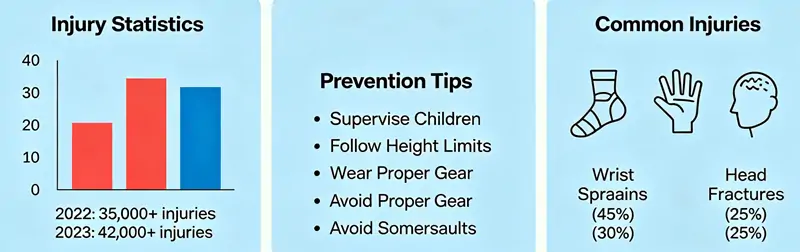
Every year, the U.S. Consumer Product Safety Commission (CPSC) releases injury estimates for trampoline‑related activities via its National Electronic Injury Surveillance System (NEISS). Recent reports put the number of emergency department visits above 100,000 annually. That figure often gets cited as proof that indoor parks are inherently dangerous, but it requires context.
First, these statistics lump together all trampoline uses – backyard round trampolines, gymnastic training, and commercial jump parks. Backyard equipment, often without proper padding, netting, or adult supervision, accounts for a substantial share of severe injuries. The American Academy of Paediatrics has long advised against recreational backyard trampoline use for this reason. Commercial facilities, by contrast, operate under a completely different safety framework.
Second, the nature of injuries at a well‑run park is generally less severe. A study published in the Journal of Pediatric Orthopaedics (Mulligan et al., 2019) analysed injuries from a single large indoor park over three years. It found an overall injury rate of 0.32 per 1,000 jumpers, with sprains, soft‑tissue injuries, and minor fractures dominating. Life‑threatening injuries were extremely rare. The takeaway? The risk isn’t zero, but it’s largely manageable.
What separates a safe facility from a risky one
Walking into a jump park, you can’t always see the safety engineering that’s holding everything together. But once you know what to look for, the difference between a serious operator and a careless one becomes obvious.
1. Adherence to recognised standards
ASTM International publishes F2970, the Standard Practice for Design, Manufacture, Installation, Operation, Maintenance, Inspection and Major Modification of Trampoline Courts. This document, developed with input from manufacturers, engineers, and safety advocates, covers everything from padding thickness to maximum allowable fall heights. In Europe, EN 15577 serves a similar role. A facility that actively certifies its equipment to these standards – and can show you the paperwork – has already eliminated a long list of preventable hazards.
Reputable manufacturers design their structures to meet or exceed ASTM F2970 from the start. That means impact‑attenuating padding over all frames and springs, netting tested for burst strength, and platform spacing that prevents entrapment. When you see a logo from TÜV, SGS, or an equivalent third‑party testing body on a park’s website, you’re looking at proof that someone has audited the engineering. For those building or upgrading a venue, choosing equipment engineered specifically for Trampoline Parks ensures compliance from day one.
2. The design you don’t notice
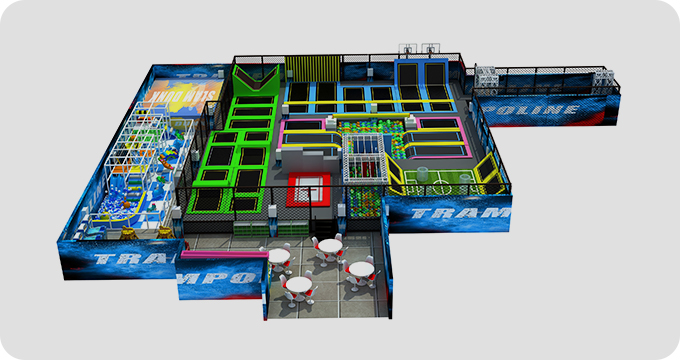
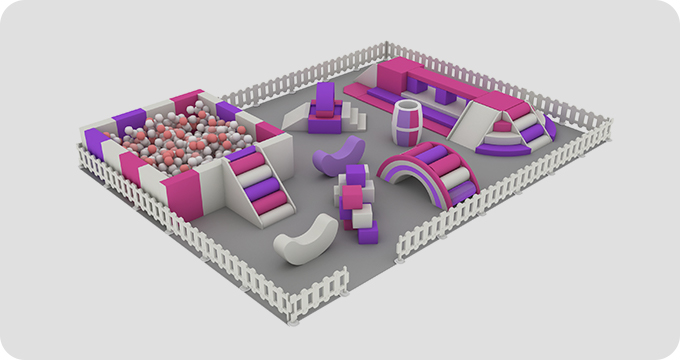
A well‑planned layout does more than look good on Instagram. It separates high‑energy zones from toddler areas, provides clear sight lines for court monitors, and ensures that landing surfaces are contiguous – so a jumper never accidentally steps onto a hard edge. Fall zones between trampoline beds are either absent or protected by redundant padding.
If you’re evaluating a park as a potential business owner, choosing a layout that puts traffic flow first can significantly lower your liability exposure before a single jumper even enters the building.
3. The human factor – monitors and maintenance
Even the best equipment degrades without daily care. Ask a manager how often they replace worn jumping mats, inspect spring hooks, and vacuum foam pits. A transparent answer is a green flag; a blank stare is a red one. Trained court monitors who actively enforce rules – one jumper per bed, no double‑flipping into foam pits, feet‑first landings – are the single most effective layer of injury prevention. They’re not just standing around; they’re managing risk in real time.
A practical prevention checklist
Whether you’re a parent, a first‑time jumper, or someone evaluating a franchise opportunity, this checklist will help you assess and mitigate risk.
For jumpers and parents:
-
Remove jewellery, keys, and phones before jumping. Hard objects and trampoline beds don’t mix.
-
Follow all posted rules, even if they feel restrictive. Weight limits, one‑jumper‑per‑square, and no flips in foam pits are based on incident data, not lawyers’ paranoia.
-
Start small. Let kids master basic bounce control before attempting advanced tricks.
-
If the padding between beds is missing, torn, or obviously flattened, report it and move to another area.
For park operators:
-
Daily pre‑opening inspections using a documented checklist. Look for loose anchor bolts, worn padding covers, and spring fatigue.
-
Staff‑to‑jumper ratios that allow monitors to scan their entire zone without interruption.
-
Structured training that teaches guards how to intervene without escalating conflict – and how to recognise when a jumper is simply out of their depth.
-
Replacement parts planning. Wear items like foam pit cubes and padding covers degrade predictably. Stocking ASTM‑grade spares reduces the temptation to postpone a repair.
-
Incident tracking. Every slip, near‑miss, and injury should be logged and reviewed monthly. Patterns (e.g., most falls happen on the first Sunday session) can drive scheduling or training changes.
The equipment quality cascade
Ultimately, safety starts with the steel, foam, and textiles that make up the park itself. Low‑bid equipment rarely ages well. Cheap galvanising rusts faster. Thin PVC padding covers crack after a year of UV exposure, and undersized springs lose their rebound – or worse, snap. Each failure cascades into higher maintenance costs, more frequent closures, and elevated risk.
When operators invest in frames built with heavy‑gauge steel, padded spring covers that fully enclose the mechanism, and jumping mats with multiple redundant stitch lines, they’re not just buying durability – they’re buying peace of mind. Third‑party certification from bodies like TÜV Rheinland validates that the equipment was built to withstand high‑traffic commercial use without developing dangerous failure modes.
If you’re ready to explore what that level of engineering looks like in practice, Woozone’s certified indoor adventure park solutions offer a concrete starting point.
Safety is a moving target – and that’s a good thing.
No facility can guarantee zero injuries. But facilities that embrace continuous improvement – updated training, upgraded padding, smarter layout tweaks – consistently outperform those that treat safety as a one‑time checkbox. The next time you watch your child soar into a foam pit, let that thought replace the initial fear. Because a safe park isn’t about eliminating fun. It’s about designing a space where fun and caution coexist, so everyone gets to go home smiling – and ready to come back.
Sources: CPSC NEISS data; ASTM International F2970‑21; “Injury Rates at an Indoor Trampoline Park: A Prospective Cohort Study”, Mulligan et al., J Pediatr Orthop, 2019; European Committee for Standardisation EN 15577; IATP Safety Guide.




 English
 Español